Our Selections
Showing all 9 resultsSorted by price: high to low
Omni-roasting style that maximizes the brewing windows of these coffees. Suitable all the way from drips to espressos
Colombia Los Guaduales
Figs, Apples, Dried Apricot
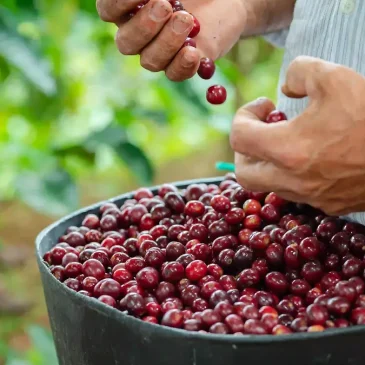
Finca Los Guaduales, managed by Fanny Ceballos, is a celebrated coffee farm located in the high-altitude village of Alto Patico in the Huila region of Colombia. With over 15 years of experience in the coffee industry, Ceballos has become a symbol of the dedication and resilience for which Colombian coffee producers are known. Her 2.5-hectare farm specializes in high-quality micro-lots of the Castillo and Colombia varieties, cultivated with painstaking attention to detail.
Ceballos and her family, along with relatives and neighbors, give special attention to picking cherries only at optimal maturity. She also prioritizes sustainability, using leftover coffee husks from processing as fertilizer. These careful practices result in complex and balanced coffees, with past offerings featuring tasting notes of juicy pear, guava, and roasted almond.
Finca Los Guaduales has established long-term direct relationships with roasters around the world, built on years of trust and consistently high quality. These partnerships, which often originate through regional competitions, help showcase the farm's exceptional small-scale production.
Area: Acevedo, Huila
Process: Washed
Variety: Java
Altitude: 1600 meters
Ethiopia Chelchele Washed
Dried Rose, Blackberries, Black Tea
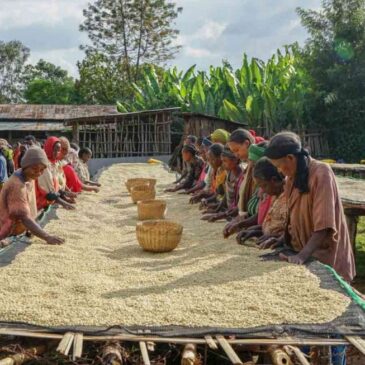
The Chelchele washing station is located in the Gedeb district in the south of the Yirgacheffe coffee region.
Gedeb is one of the districts, also called woredas, of the Gedeo zone, with the Kochere woreda to the west, Yirgacheffe woreda to the northwest, Bule woreda to the north, and the Oromia region to the south and east. The average temperature in Gedeb is between 15.5°C and 17.8°C and annual rainfall averages 1404 ml per year. The area’s red/brown fertile soil is also planted with shade trees of Cordia Africana, Acacia, and Ensete trees.
The Chelchele washing station is located and named for the village (kebele) of Chelchele where the washing station has 5.1 hectares planted with coffee at an elevation ranging from 1945-1970 meters. The washing station includes 12 standardized washing tanks and 360 drying beds
Area: Gedeb, Yirgacheffe
Process: Washed
Variety: Heirloom
Altitude: 1950 - 2100 meters
India Ubban Estate
Pine Nuts, Sandalwood,
Gula Melaka
Area: Baghya Division
Process: Black Honey
Variety: S795, S4345
Altitude: 1100 meters
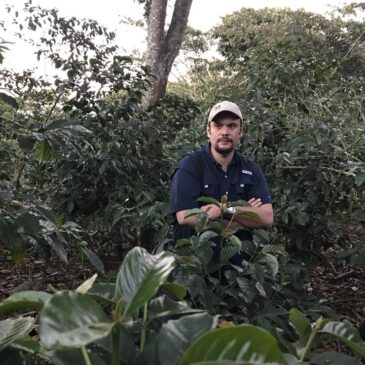
El Salvador Finca Las Brumas
Almonds, Sparkling Citrus, Cane Sugar, Chocolate
Roaster's Notes:
One of our most underrated favourite. Nothing wild here just sweet, balanced and clean coffee that's so perfect to sip on rainy days. This El Salvador brings a sparkling bright acidity in a filter roast that makes sipping from hot till cool a pleasure. In our espresso roast, the extended maillard phase tones down the acidity and takes sweetness up another notch.
From the family of Ernesto Menendez that produced the very same SL28 variety for Dale Harris to win the WBC2017, this is a very solid, high quality coffee that you should definitely try
Area: Sonsonate, Apaneca-Ilamatepec
Process: Washed
Variety: Bourbon
Altitude: 1500 masl
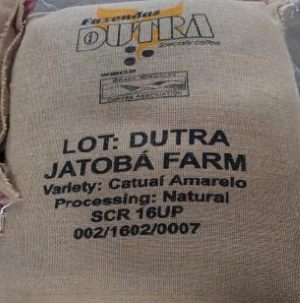
Brazil Fazenda Dutra Jatoba
Caramel, Roasted Almonds, Mild Citrus
Fazenda Dutra is a family run farm owned and operated by Ednilson and Waltin Dutra—brothers and great friends. Ednilson is the commercial manager; Waltim handles day-to-day production and PR. They have been coffee producers all their lives—their father started the farm with one hectare, buying a second and third hectare from the farm's profits until he had grown his land to 500 total hectares. The different lots in Fazenda Dutra represent the original names of the individual farms that Don Dutra absorbed into his property. Don Dutra passed away in an accident on the farm when his sons were young, but Ednilson and Waltim have continued operations of the Fazenda in his honor and in the family name. The brothers have been growing their operations year by year, and have won a number of national competitions, including the 2014 Cup of Excellence.
Area: São João do Manhuaçu, Minas Gerais
Process: Natural – beans are patio-dried with mucilage intact while they are still in the cherry
Variety: Catuai Amarelo
Altitude: 700 - 1300 meters
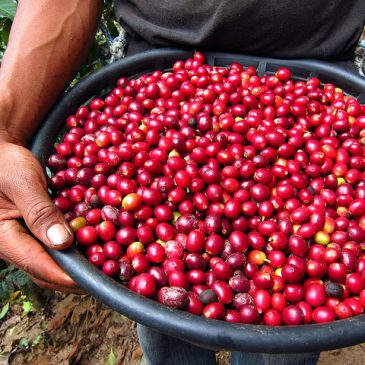
Costa Rica Tarrazu Jaguar
Honey, Prunes, Caramel, Bright Acidity
Costa Rica’s volcanic soils, mountainous terrain and plentiful rainfall provide ideal conditions for the cultivation of high-quality coffee beans. Jaguar coffee beans are hulled from parchment that is 100% sundried in a greenhouse especially designed to cater to wet weather conditions, thus to ensure a better coffee quality. This coffee is produced by the most sustainable coffee mill in Central America, San Diego Mill operated by Beneficios Volcafe. Jaguar is an innovative brand designed by Jürgen Plate - a great coffee specialist and one of the coffee pioneers in the country. His fluency in coffee blending, blend design, let to creation of ‘Jaguar,’ a name that commemorates Volcafe as a leading sponsor for the Jaguar Conservation Program in Costa Rica.
Area: Tarazzu
Process: Honey
Variety: Caturra, Catuai
Altitude: 1200 - 1300 meters
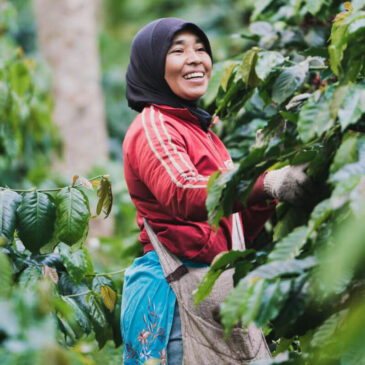
Sumatra Mandheling
Spices, Dark Chocolates, Big Bodied
The northern most part of the country is ‘Daerah Istimewa Aceh’, one of 27 provinces in Indonesia which has special status. The Mandheling coffee is grown around lake Tawar, near to the town of Takengon. The soil is rich and volcanic and has grown coffee for many years. Many areas work on the single stem pruning system, and cut the main trunk every 3 years or so – this gives a very solid central producing wood. The surrounding district is pretty tropical rainforest, with coffee sometimes growing wild amongst other trees, other times in cleared areas. The coffee is produced on many small holder plots, and usually pulped and sun dried on patios, without being fermented. There are very few plantations. The final quality is determined by the exporters, who are based in Medan, close to the port, where they hull and polish the green beans.
Area: Lake Tawar, Takengon, Daerah Istimewa Aceh
Process: Giling Basah (Wet Hulled)
Variety: Catimor, Typica
Altitude: 1200 meters
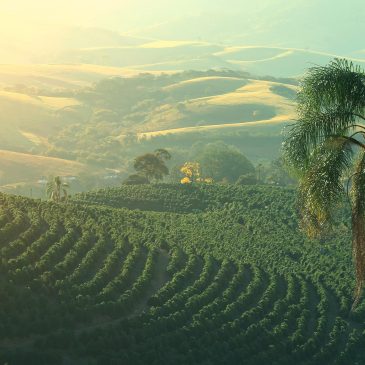
Brazil Natural 17/18 NY 2/3 SSFC
Caramel, Roasted Almonds, Kit-Kats, Balanced
Brazil is a well known coffee producing giant. They source around one-third of the world's coffee, making them the largest coffee producer in the globe! Of course, most of this is lower grade Arabica. However, this country is capable of producing specialty coffees. This particular type is a standard specialty quality coffee. Itt is dry-processed, meaning the beans are patio-dried while they are still in the cherry. Since the coffees are dried in contact with the sweet mucilage, the coffee's cup profile will be heavy in body, sweet, smooth, and complex. The 17/18 screen size has a more consistent flavor without the pungent fruit notes that can turn up in smaller screen sized beans, which is an indication of varying bean maturity. This type carries three quality classifications:
- NY (New York) 2/3; specifies the quality is standard to the Green Coffee Association of New York. 2/3 refers to the amount of defects permitted in the lot; a maximum of nine secondary defects, and no primary defects.
- SSFC (Strictly Soft Fine Cup); Strictly Soft beans are grown at relatively low altitudes (under 1200 meters). Beans grown at lower altitudes mature quickly and produce a lighter, less dense bean. This term also means the beans are free of hard rioy taints. Fine Cup means it is a specialty grade coffee.
- 17/18 refers to the screen size. These beans are one screen size larger than 14/16, denoting a larger bean. Larger bean size is generally linked to higher quality.
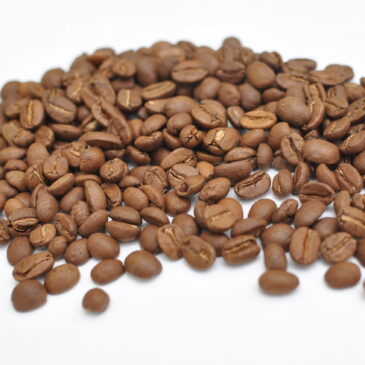
Happy Blend
A mélange of whatever beans we have left behind that was not bought within 2 weeks past roast. These are perfectly roasted beans but were just sadly not taken by anyone before time was up.
Now it has a second chance to make you happy with a heavily discounted price just so we don’t waste what’s been done by farmers.
Perfect for seasoning grinders, researching brewing parameters or practicing latte art. Please take note that flavors and taste will differ from batch to batch and may not necessary be optimum.
It makes us happy to not see good coffees go to waste :)